
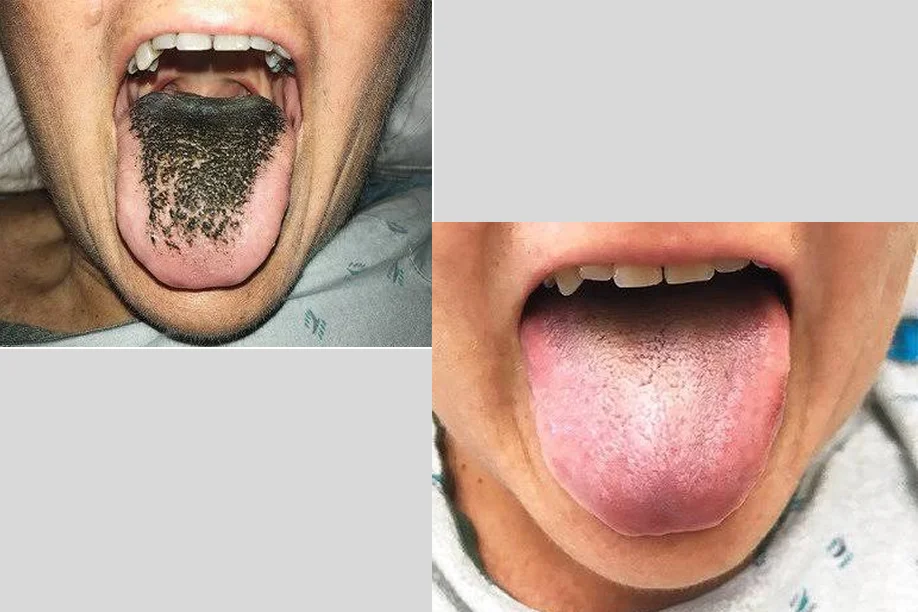

Black hairy tongue is a harmless buildup of dead skin on your taste buds that looks like dark fur. It happens from poor hygiene, smoking, or medications like antibiotics. You can fix it at home by gently scraping your tongue twice a day. It is not contagious and usually disappears within two weeks. While alarming, it isn’t a health risk. You’ll likely notice a metallic taste or bad breath, but cleaning the area clears those symptoms quickly. Here is exactly how to get rid of black hairy tongue and prevent its return.
What is black hairy tongue and why does it look that way?
Seeing a dark, carpet like texture in the mirror is unsettling. You might think you have a fungal infection or something worse. Usually, you are looking at a buildup of dead skin cells. These cells live on the filiform papillae. These are the small bumps on the front of your tongue. Normally, these bumps stay under one millimeter long. They shed naturally through the friction of eating and brushing.
Think of these papillae like a skinny tower of blocks. Normally, the top blocks fall off before the tower gets too high. If that shedding process stops, the tower keeps growing. These bumps can reach lengths of eighteen millimeters. When they grow this long, they look like actual hair. They trap food, bacteria, and yeast easily.
What causes black hairy tongue?
Poor oral hygiene is the most common culprit. If you do not brush your tongue, dead cells and debris accumulate. A soft diet also contributes to the problem. Hard, crunchy foods act like a natural scraper for your tongue. If you only eat soft foods, those “hairs” never get worn down.
Lifestyle choices play a massive role. Smoking and chewing tobacco stain the elongated bumps. Excessive coffee, black tea, and alcohol use also add to the discoloration. Some people find that their tongue changes color after a round of antibiotics. These drugs can disrupt the healthy balance of bacteria in your mouth. This allows certain types of yeast or bacteria to overgrow.
Some medications cause a specific type of staining. Products containing bismuth, like Pepto Bismol, react with sulfur in your saliva. This creates bismuth sulfide. That turns your tongue black. Doctors call this pseudo black hairy tongue because it does not involve long “hairs.” It is purely a temporary chemical reaction. Once you stop the medication, the black color usually wipes away.
Black hairy tongue images vs. reality
You might look at black hairy tongue images and wonder about the color. While the name says black, your tongue might look brown, yellow, green, or even blue. The color comes from the specific pigments trapped in the papillae. Coffee usually creates a brown look. Certain bacteria produce porphyrins. These are dark organic compounds. These microbes are not “infecting” you. They are simply living on the surface of the extra long bumps.
Is black hairy tongue contagious?
No, you cannot pass this to your partner or children. It is a physical change in your tongue’s anatomy. It is not a transmissible disease. Your partner might find the appearance alarming, but it poses no health risk to them. About thirteen percent of people will experience this at some point. It is most common in men over age sixty five.
Identifying common symptoms
Other than the appearance, most people have no discomfort. The exception is when there is too much yeast growth. This can cause a burning sensation called glossopyrosis. Some people complain of a tickling feeling in the back of the mouth. You might feel like you need to gag if the papillae are very long. Food getting caught in the “hairs” often leads to bad breath.
How to get rid of black hairy tongue fast
The best way to fix this is through improved daily cleaning. Start by brushing your teeth twice a day. Make sure to brush your tongue gently with a soft toothbrush. You can also use a tongue scraper to remove dead skin cells and bacteria. This manually “cuts” or wears down those long projections. Rinsing your mouth with warm salt water can also reduce bacteria.
Staying hydrated is your next line of defense. A dry mouth lacks the saliva needed to wash away dead cells. Drink plenty of water throughout the day. If your mouth feels like a desert, you might be a mouth breather. Try to breathe through your nose to keep your oral tissues moist. Some people use saliva substitutes to help.
Check your medicine cabinet for hidden irritants. Mouthwashes with peroxide, menthol, or witch hazel can sometimes trigger this. Switch to a mild, fluoride toothpaste that does not contain sodium lauryl sulfate. These “SLS free” options are less likely to irritate your tongue. You want to soothe the area while you clean it.
The fresh pineapple trick
Dietary changes can speed up your recovery. Add more roughage to your meals. Raw carrots, apples, and whole grains provide the friction your tongue needs. There is also an expert tip involving fresh pineapple. This fruit contains an enzyme called bromelain. Bromelain helps break down the tough keratin protein in the long papillae. Make sure the pineapple is fresh. Canned versions lack the active enzyme.
How long does black hairy tongue last?
If you follow these cleaning steps, symptoms usually resolve within one to two weeks. You should see the “hair” shorten and the color fade. If you continue smoking or using the trigger medication, it may persist. Most people find that better hygiene is the only treatment they ever need. Once the cause is gone, the tongue returns to its pinkish white color.
When to see your dentist
You should consult a professional if home remedies fail. They can check for other conditions like oral thrush or leukoplakia. These look similar but require different treatments. For instance, oral hairy leukoplakia appears as white patches on the sides of the tongue. This is often linked to viruses like HIV or Epstein Barr. A professional can give you a definitive diagnosis by looking at your medical history.
In rare and severe cases, a doctor might use more direct methods. They may prescribe antifungal or antibiotic rinses if a secondary overgrowth is present. If the papillae are extremely long, they can be trimmed. This is done using lasers, electrical current, or surgical clipping. This is a last resort and is almost never necessary for most patients.
Maintaining your results requires a permanent shift in habits. Do not stop brushing your tongue once the black color is gone. Keep using your scraper daily to prevent the keratin from building up again. Limit your intake of staining beverages like black tea and coffee. Quitting tobacco is one of the best things you can do for your oral health. Treat your mouth with care and the fur won’t return.
Takeaway
Black hairy tongue may look alarming, but it is harmless and easy to treat with proper tongue cleaning, hydration, and habit changes. Most cases clear within two weeks with simple home care. If symptoms persist or you are unsure about the diagnosis, consult Oris Dental Center for expert evaluation, reassurance, and personalized oral care guidance.