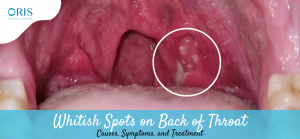

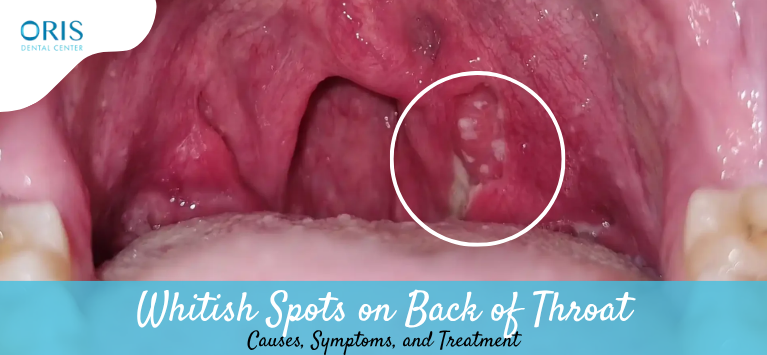

Noticing whitish spots on the back of your throat can be scary. Many people immediately think it is something serious, but in most cases, it is treatable and common. These white patches can appear due to infections, poor oral hygiene, or other health conditions.
What Are Whitish Spots on the Back of the Throat?
Whitish spots are visible white patches, dots, or coating that appear on:
- Tonsils
- Back of the throat
- Tongue (in some cases)
They are usually a sign that your body is reacting to an infection or irritation.
Common Causes of Whitish Spots on Throat
There are several reasons why these spots may appear. Let’s look at the most common ones.
1. Tonsillitis
This is one of the most common causes.
What happens?
- Tonsils become swollen and infected
- White or yellow spots appear on them
Symptoms:
- Sore throat
- Pain while swallowing
- Fever
- Bad breath
2. Strep Throat
This is a bacterial infection caused by streptococcus bacteria.
Symptoms:
- Severe throat pain
- White patches on tonsils
- Fever
- Swollen lymph nodes
This condition needs medical treatment with antibiotics.
3. Oral Thrush
This is a fungal infection caused by yeast.
Common in:
- Children
- Elderly people
- People with low immunity
Symptoms:
- Creamy white patches
- Burning sensation
- Difficulty swallowing
4. Tonsil Stones
These are small, hard white formations in the tonsils.
Causes:
- Food particles
- Bacteria
- Dead cells
Symptoms:
- White spots
- Bad breath
- Mild discomfort
5. Viral Pharyngitis
A viral infection can also cause white spots.
Symptoms:
- Mild throat pain
- Cough
- Cold symptoms
Usually, it goes away on its own.
6. Poor Oral Hygiene
Not cleaning your mouth properly can lead to:
- Bacterial buildup
- White coating or spots
Symptoms to Watch Along With White Spots
White spots may come with other symptoms. Pay attention to:
- Sore throat
- Fever
- Difficulty swallowing
- Bad breath
- Swollen glands
- Ear pain
If symptoms are severe or last long, consult a doctor.
When Should You See a Doctor?
You should not ignore white spots if:
- They last more than 3–5 days
- You have high fever
- Severe pain while swallowing
- Difficulty breathing
- White patches are spreading
Early treatment helps avoid complications.
Diagnosis: How Doctors Find the Cause
A doctor or dentist may use:
1. Physical Examination
- Checking throat and tonsils
2. Throat Swab Test
- To identify bacterial infection
3. Blood Tests (if needed)
Correct diagnosis is important to choose the right treatment.
Treatment Options for Whitish Spots
Treatment depends on the cause.
1. For Bacterial Infections
- Antibiotics
- Pain relief medicines
2. For Fungal Infections
- Antifungal medications
- Oral gels or tablets
3. For Viral Infections
- Rest
- Fluids
- Home care
(No antibiotics needed)
4. For Tonsil Stones
- Gargling salt water
- Removal by doctor (if large)
Home Remedies That Can Help
These simple remedies can reduce symptoms:
Warm Salt Water Gargle
- Reduces pain and inflammation
Drink Warm Fluids
- Tea, soups, warm water
Maintain Oral Hygiene
- Brush twice daily
- Clean tongue
Stay Hydrated
- Helps healing
Avoid Irritating Foods
- Spicy, oily, or very cold foods
Dental Care and Oral Health Connection
Many people don’t realize that oral health plays a big role in throat conditions.
Poor dental hygiene can lead to:
- Bacterial growth
- Bad breath
- Tonsil stones
Tips for Better Oral Health:
- Brush twice daily
- Use mouthwash
- Visit dentist regularly
Are Whitish Spots Dangerous?
In most cases, no.
They are usually caused by:
- Minor infections
- Temporary conditions
However, ignoring symptoms can lead to complications.
Whitish Spots in Children vs Adults
In Children:
- Commonly due to infections
- Needs quick attention
In Adults:
- Often linked to lifestyle or immunity
- Can be recurrent
Prevention Tips
You can reduce the risk by following simple habits:
- Maintain good oral hygiene
- Avoid sharing utensils
- Wash hands regularly
- Eat a healthy diet
- Boost immunity
Final Thoughts
Whitish spots on the throat may look alarming, but they are usually treatable and manageable. The key is to understand the cause and take the right steps.
Conditions like Tonsillitis, Strep Throat, or Oral Thrush are common reasons—and all of them can be treated effectively.
If symptoms persist, don’t delay seeking medical or dental advice. Early care leads to faster recovery and better health.