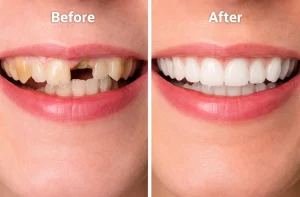


Everyone knows the morning routine. You run your tongue across your teeth and feel that faint, sticky film. Brush it off and move on. The problem is that this film is not a harmless visitor. It is plaque, a living bacterial layer that resets itself daily. Ignore it long enough and it solidifies into calculus, which behaves more like stone than anything found in a bathroom cabinet.
Professional cleanings matter, but they cannot carry the weight alone. Most people spend two hours a year in a dental chair and around thirty hours brushing and flossing at home. The math makes the priority clear. Home care dictates success, and understanding how plaque behaves is the only way to stop the damage early.
How Plaque Forms and Why It Matters?
Plaque is not leftover food. It is a structured biofilm made of bacteria and extracellular material. Once a tooth is cleaned, plaque begins to attach within hours. After attachment, the bacteria multiply, mature, and start feeding on carbohydrates. Their waste is acidic. That acid softens enamel and creates the first step toward decay.
Gingivitis follows when plaque stays undisturbed long enough to irritate the gums. Redness, swelling, and bleeding are predictable. If neglected, that inflammation creeps deeper into the supporting tissues. The condition then qualifies as periodontitis. Bone loss, mobility, and long-term damage follow.
What Calculus Really Is?
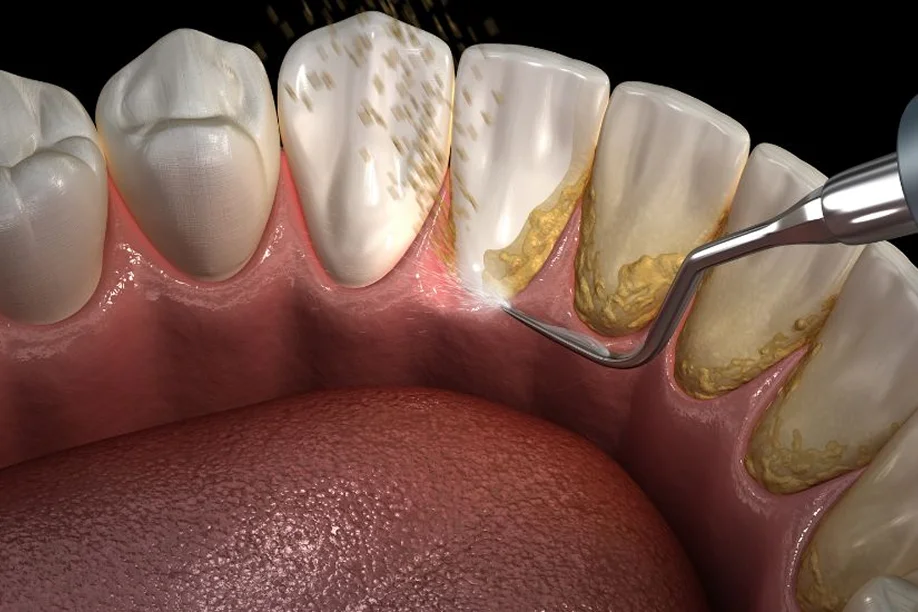
Calculus is plaque that has been left untouched long enough to mineralize. Saliva contains calcium and phosphate. These minerals settle into the plaque matrix and harden it. Dead bacteria supply the organic scaffold. Minerals fill the empty pockets. The final product adheres to the tooth surface with determination.
Once formed, calculus does not respond to brushing or flossing. Patients sometimes ask why it feels rough. The texture is not a coincidence. Rough calculus attracts more plaque, accelerating the cycle.
Location changes the clinical significance. Calculus above the gumline is visible and easier to manage. Calculus below the gumline hides in periodontal pockets. It is darker because of heme pigments from bleeding. That darker color signals deeper inflammation and a higher risk of tissue destruction.
Brushing Technique That Removes Plaque
Daily brushing is non-negotiable. The American Dental Association recommends brushing twice daily for at least two minutes with fluoride toothpaste.
The Modified Bass technique remains the standard. Place the bristles at a forty five degree angle aimed at the gumline. Make small, controlled vibrations to disrupt plaque where it hides most aggressively. Sweep the brush away from the gums. Hard scrubbing only damages enamel and accelerates recession. Soft bristles are enough to clean effectively and they cause far less trauma.
Electric brushes outperform manual ones in plaque removal over time. Their automated movements offer consistency and help patients with orthodontic appliances, implants, or reduced dexterity. The right brush is the one a patient can use properly every day.
The Acid Rule Most People Break
Brushing right after consuming acidic foods or drinks is a common mistake. Acid from citrus drinks, soda, or sour candy weakens enamel temporarily. If someone brushes immediately afterward, they risk removing softened enamel.
The solution is simple. Wait thirty minutes, ideally one hour. Rinse with water in the meantime. Saliva will buffer the pH and allow enamel to reharden naturally. This small delay prevents unnecessary damage.
Cleaning Between Teeth
A toothbrush cleans only three surfaces out of five. The remaining two hide between teeth where plaque thrives. Pick a method that fits the anatomy and the patient’s habits.
String floss is the traditional tool and works best for tight contacts. The technique matters more than the product. The floss must wrap around the tooth in a C shape to clean effectively.
Interdental brushes are often easier. Their small, conical heads reach into spaces floss cannot reach easily. They are particularly valuable for patients with recession, periodontal history, or dental restorations.
Water flossers use a pulsating jet of water to flush debris from tight and awkward areas. Studies show they perform well around orthodontic appliances and implants. The best tool depends on the patient. Compliance is the deciding factor.
Chemical Support and a Note on CHX
Some toothpastes contain pyrophosphates or zinc salts that slow down the mineralization of plaque. They help patients who build calculus rapidly.
Chlorhexidine is a strong antimicrobial rinse with one quirk. It kills bacteria effectively, but the dead cells form excellent nucleation sites for calculus to develop. Long-term use increases calculus formation. Use it only for short, targeted periods.
Diet matters too. Saliva is the main defense system. It neutralizes acids, provides minerals for remineralization, and carries away debris. Sugar, frequent snacking, and tobacco weaken this system. Patients who want clean teeth must also support their saliva.
When Home Care Is Not Enough For Plaque?
Once calculus is present, only professional removal works.
A routine prophylaxis suits patients with healthy gums. It removes plaque and calculus above the gumline.
Scaling and root planing is required when periodontal pockets form. It targets deposits under the gumline and smooths root surfaces to prevent bacterial reattachment.
Ultrasonic scalers break apart heavy deposits quickly using vibration. Hand instruments refine and smooth the surface. The most predictable results come from combining both. One method handles speed, the other handles precision.
How Often Patients Should Return?
The six month cleaning is a default interval. It is not universal. Patients with diabetes, active periodontitis, heavy calculus formation, or tobacco habits often need cleanings every three to four months. Tailored recall keeps inflammation in check.
Calculus as a Tiny Archive
Calculus does not decompose easily, which is why it preserves DNA, proteins, and environmental particles. Archaeologists use it to study ancient diets and disease patterns. It records history in a way bone cannot. The same stubborn permanence that frustrates clinicians fascinates researchers.
Takeaway
Once plaque hardens into calculus, no amount of brushing will remove it. Contact Oris Dental Center to have hardened plaque professionally removed before it causes irreversible damage.